
CPD certified
Manual Handling Training
Meet UK manual handling requirements — covering risks, safe lifting techniques and the law for any workplace.
£14.00

The Online Equality and Diversity Training Course is designed to help employees and employers understand their legal and ethical responsibilities for promoting fairness, respect, and inclusion in the workplace.
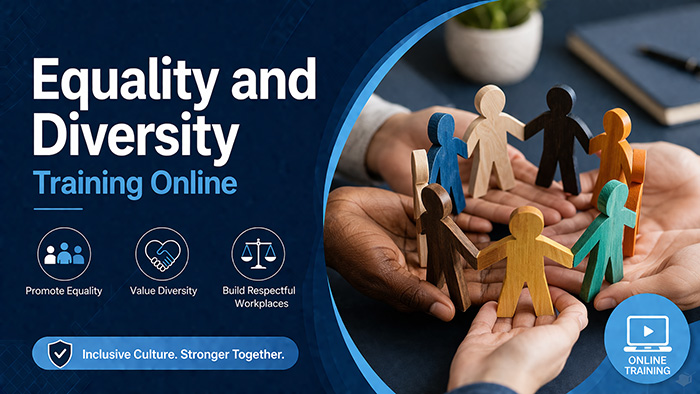
Suitable for all UK workplaces — including offices, retail, healthcare, education, hospitality, construction, manufacturing, and the public and voluntary sectors — this course covers the Equality Act 2010, the nine protected characteristics, direct and indirect discrimination, harassment, victimisation, unconscious bias, reasonable adjustments, and the responsibilities of both employers and employees. It supports compliance with UK equality and employment law and helps organisations demonstrate that they are taking reasonable steps to prevent discrimination.
The course is delivered fully online, allowing learners to complete training at their own pace. Upon successful completion, learners receive a digital Equality and Diversity Awareness Certificate, accredited by CPD, providing recognised evidence of training.
Discrimination claims at employment tribunals have risen significantly in recent years, and the financial and reputational consequences can be severe. Under the Equality Act 2010, employers can be held vicariously liable for the discriminatory actions of their employees unless they can demonstrate that they took all reasonable steps to prevent the behaviour. Providing equality and diversity training is one of the most widely recognised reasonable steps an employer can take — and failing to do so substantially weakens any legal defence.
This course helps organisations build a culture of respect and fairness and provides evidence that reasonable steps have been taken to prevent discrimination in the workplace. There are no formal entry requirements for this course. No prior learning, pre-course reading, or previous qualifications are required.
By the end of this equality and diversity training you'll be confident in the knowledge and behaviours that support a fair, inclusive and legally compliant workplace:
This equality and diversity training course is CPD accredited, ensuring it meets recognised standards for quality and relevance. It is developed in line with the Equality Act 2010 and current guidance from the Equality and Human Rights Commission (EHRC), making it suitable for a wide range of job roles and industries.
Discrimination, harassment and unconscious bias can affect any team. Training material is delivered through structured modules with clear explanations, practical examples, and defined learning outcomes — so staff can complete it on any device in around 30 minutes.

This equality and diversity awareness course is delivered through 12 structured modules, each focusing on a key aspect of fairness, respect and inclusion at work. You can work through them at your own pace and revisit any topic as often as you need.
This opening module sets out what equality, diversity, and inclusion mean in a UK workplace and why each matters. You'll explore the difference between treating people fairly and treating everyone identically, and see how an inclusive culture benefits staff, employers, and customers alike. It provides the shared vocabulary you'll build on throughout the rest of the course.
Here you'll learn how the Equality Act 2010 brought earlier anti-discrimination laws together into a single framework that applies across employment and service provision. The module explains the duties the Act places on employers and the rights it gives individuals. Understanding this legal foundation helps you recognise your responsibilities and stay compliant at work.
This module examines the nine protected characteristics defined by the Equality Act, including age, disability, race, sex, religion or belief, and others. You'll see how the law protects people from being treated unfairly because of any of these traits. Knowing the characteristics in detail makes it easier to spot when someone may be at risk of discrimination.
You'll learn to distinguish direct discrimination, where someone is treated less favourably because of a protected characteristic, from indirect discrimination, where a policy that seems neutral puts a particular group at a disadvantage. The module uses everyday workplace examples to make these concepts clear. This helps you identify problems that might otherwise go unnoticed.
This module defines harassment, victimisation, and bullying and explains how the law treats each one. You'll consider the impact such behaviour has on individuals and on the wider working environment, and learn what counts as unacceptable conduct. Recognising these behaviours early is key to protecting colleagues and maintaining a respectful workplace.
Here you'll explore unconscious bias — the assumptions and stereotypes we hold without realising — and how it can quietly shape decisions about recruitment, promotion, and day-to-day interactions. The module offers practical ways to recognise your own biases and reduce their influence. Becoming aware of bias is an important step towards fairer, more objective choices.
This module explains the employer's duty to make reasonable adjustments so that disabled people are not disadvantaged at work, alongside the concept of positive action to support under-represented groups. You'll see examples of adjustments that can make a real difference. Understanding these measures helps create a workplace where everyone can participate on an equal footing.
You'll look at how to apply equal opportunities principles throughout recruitment, selection, and ongoing employment. The module covers fair advertising, objective shortlisting, and inclusive day-to-day practices that give every candidate and employee a level playing field. Applying these principles helps organisations attract diverse talent and avoid unlawful discrimination.
This module focuses on the everyday actions that build a genuinely inclusive culture, from respectful communication to valuing different perspectives. You'll consider the role each person plays in making colleagues feel welcome and supported. A strong inclusive culture improves morale, collaboration, and staff retention across the whole organisation.
Here you'll clarify the responsibilities that both employers and employees hold under equality law and within workplace policies. The module explains where accountability lies and how shared effort keeps a workplace fair. Knowing your own duties — and what to expect from others — helps everyone contribute to an equal and respectful environment.
This module guides you through how to report discrimination, harassment, or other concerns safely and confidently. You'll learn about typical reporting routes, the protections in place for those who speak up, and why raising issues promptly matters. Feeling able to report problems is essential to stopping unfair treatment and putting things right.
The course concludes with a multiple-choice assessment that checks your understanding of the topics covered across all the modules. It gives you the chance to confirm what you've learned about equality, diversity, and inclusion in the workplace. Passing the assessment leads to your CPD-accredited certificate.

To earn your Equality and Diversity Awareness Certificate, you'll complete a multiple-choice final assessment with a pass mark of 80%. If you're not successful first time, retakes are included at no extra cost — you can take the assessment as many times as you need until you pass.
Upon successfully passing, you'll receive an instant digital Equality and Diversity Awareness Certificate confirming CPD accreditation. Certificates are issued immediately upon successful completion and can be downloaded, printed, or stored electronically as part of your training records. The certificate provides recognised evidence of training for employers, auditors, clients and regulators, with no need to wait for anything in the post.
This awareness-level course is suitable for staff at every level and across every sector. Discrimination, harassment and unconscious bias can affect any team, and providing equality and diversity training is one of the most widely recognised reasonable steps an employer can take to prevent it. This course is ideal for:
Building a wider compliance programme? Pair this with our Data Protection & GDPR Awareness course or our Risk Assessment Training.
Buy, assign and manage equality & diversity training across your whole team — all from one place.
Discounts apply automatically at checkout and scale with your order. Mix and match different courses across your team — the discount applies to your whole basket.
Buy the licences you need now and assign them to staff whenever it suits — add team members by email and they'll get their own login.
A simple manager dashboard shows who has started, who's in progress and who has passed — so you can follow up before an inspection.
Download every team member's certificate from one account and export a training record for inspections or internal audits.
Pay by card for instant access, or get in touch about invoicing and purchase orders for larger team orders.
Our team is on hand to help with enrolments, dashboards and invoicing. Call 0800 852 7729.
 .Bulk pricing & team discounts
The more licences you buy, the more you save — and discounts apply across your whole order, including mixed courses.
Discounts are applied automatically at checkout based on your total quantity.
No — your course credits never expire until they're used. Buy now and assign them to staff whenever you're ready.
Equality and diversity training helps employees understand the principles of equal treatment, the legal protections provided by the Equality Act 2010, and how to contribute to a fair, respectful, and inclusive workplace. It covers the nine protected characteristics, the different forms of discrimination, and the practical responsibilities that apply to both employers and employees. This is awareness-level training — it gives all staff the knowledge they need to treat people fairly and recognise when something is not right.
There is no single law that mandates equality training by name, but the Equality Act 2010 places a legal duty on employers to prevent discrimination, harassment, and victimisation in the workplace. If an employee brings a claim, the employer's ability to show that it took reasonable steps to prevent the behaviour — including providing appropriate training — is a recognised statutory defence. The Equality and Human Rights Commission (EHRC) also recommends training as part of an employer's duty to promote equality. In practice, not providing equality and diversity training leaves an organisation significantly more exposed to legal liability.
The Equality Act 2010 identifies nine characteristics that are protected from discrimination: (1) Age, (2) Disability, (3) Gender reassignment, (4) Marriage and civil partnership, (5) Pregnancy and maternity, (6) Race, (7) Religion or belief, (8) Sex, and (9) Sexual orientation. It is unlawful to treat someone less favourably because of any of these characteristics. This course explains each one clearly and how they apply in everyday workplace situations.
Direct discrimination occurs when someone is treated less favourably specifically because of a protected characteristic — for example, not hiring someone because of their age or ethnicity. Indirect discrimination occurs when a policy, practice, or rule applies to everyone equally but puts people with a particular protected characteristic at a disadvantage — for example, a dress code that disproportionately affects a particular religious group. Both forms are unlawful under the Equality Act 2010, and this course covers both with practical workplace examples.
Unconscious bias refers to the automatic assumptions and associations people make about others based on characteristics such as age, gender, ethnicity, disability, or appearance — without being aware they are doing so. These biases are shaped by personal experiences, upbringing, media, and cultural norms. In the workplace, unconscious bias can influence hiring decisions, promotions, task allocation, and everyday interactions. Recognising and understanding unconscious bias is an important step in creating a fairer, more inclusive working environment, and this course explains how it works and what employees can do about it.
Employers have a legal duty to prevent unlawful discrimination, harassment, and victimisation in the workplace. This includes taking reasonable steps to ensure that employees understand their obligations, that policies and practices are fair and non-discriminatory, and that appropriate action is taken when issues arise. Employers can also be held vicariously liable for the discriminatory acts of their employees if they cannot demonstrate that they took all reasonable steps to prevent the behaviour. Providing regular equality and diversity training is one of the most widely recognised reasonable steps an employer can take.
Yes. This course is accredited by the CPD Certification Service, confirming that the content has been independently reviewed and meets recognised standards for structured professional development. A CPD-accredited certificate provides credible, documented evidence of training that can be presented to employers, auditors, clients, and regulators.
Yes. The course is delivered entirely online. There are no scheduled sessions, classroom attendance, or booking required — you can start immediately after purchase and complete the training at a time and pace that suits you. You can pause at any point and pick up where you left off, making it easy to fit around a busy working day.
The course takes approximately 30 minutes to complete. There are no time restrictions, so you can work through it at your own speed. This makes it practical for staff induction, annual refresher training, or rolling out equality awareness across an entire team or organisation quickly.
Yes. Upon successfully passing the final assessment, you will receive an instant digital Equality and Diversity Awareness Certificate confirming CPD accreditation. The certificate can be downloaded, printed, or stored electronically as part of your training records. There is no need to wait for anything in the post — your certificate is available immediately after you pass.
The certificate does not carry a fixed expiry date. However, regular refresher training is widely considered best practice to ensure staff knowledge remains current, particularly as legislation, case law, and workplace expectations continue to evolve. Annual or biennial refresher training is the standard most employers and regulatory bodies expect. Given the low cost and short duration of this course, refresher training is a simple and effective way to maintain awareness and demonstrate that your organisation takes equality seriously.
Pair your equality & diversity training with other essential workplace courses.
Meet UK manual handling requirements — covering risks, safe lifting techniques and the law for any workplace.
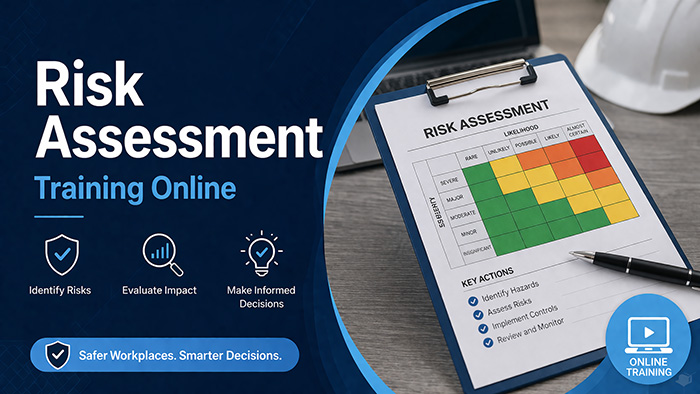
A clear, practical guide to carrying out workplace risk assessments and meeting your legal duties.
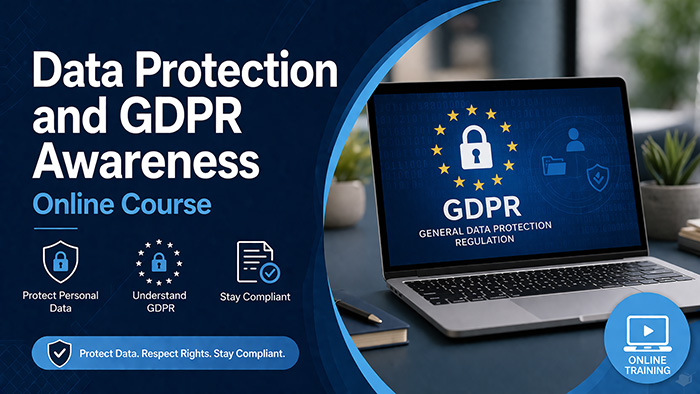
Understand your responsibilities when handling personal data under UK GDPR and the Data Protection Act.
Instant access, learn at your own pace, and download your CPD accredited Equality and Diversity Awareness Certificate the moment you pass — for just £14 per learner.
Pick any mix of courses. Discounts apply automatically based on total seats.
Add 10 or more seats to unlock 10% off.